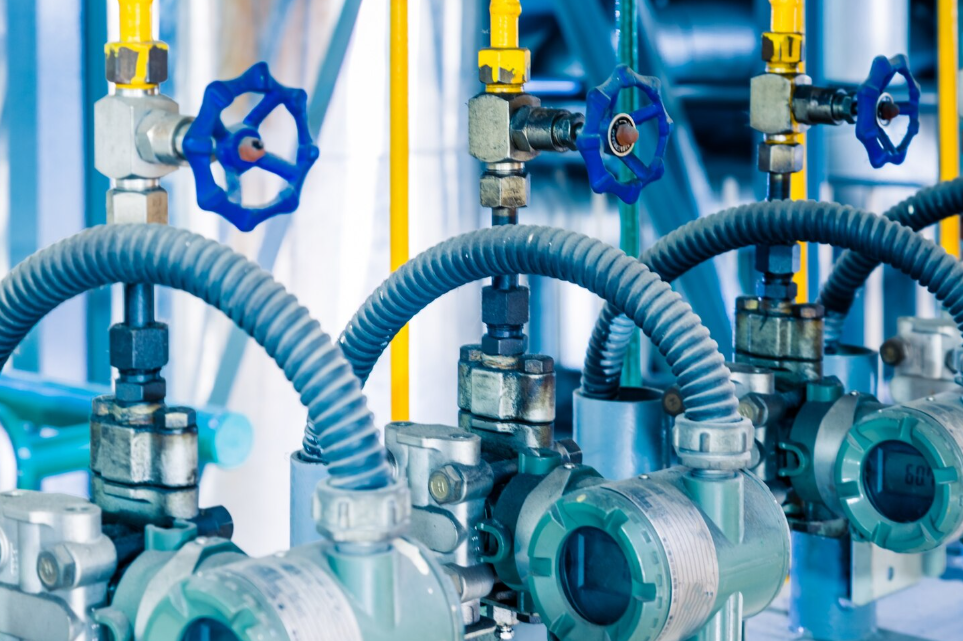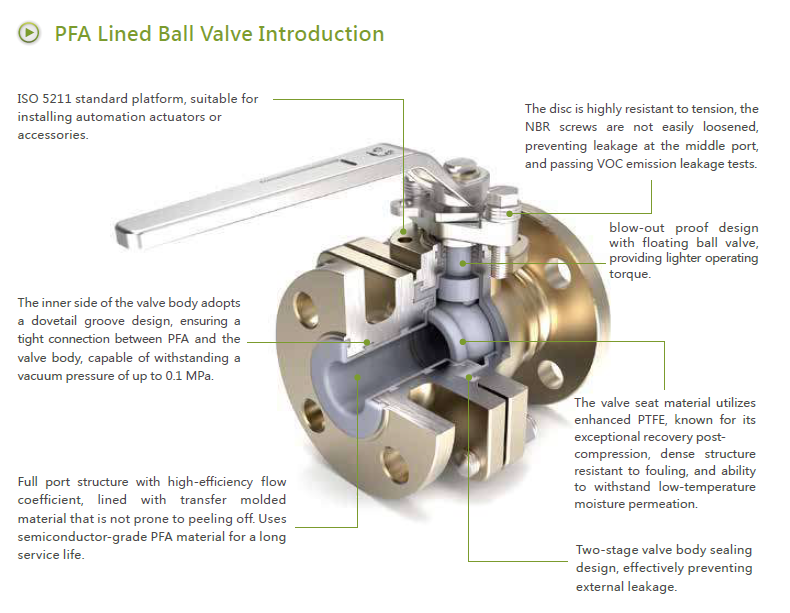

Industrial valves are critical components in controlling the flow of liquids, gases, and slurries within pipelines and processing systems. From oil and gas plants to water treatment facilities, valves ensure safe, efficient, and reliable operations. In this article, we will explore the types of industrial valves, their functions, and how to choose the right valve for your application.
What Are Industrial Valves?
Industrial valves are mechanical devices designed to start, stop, regulate, or direct the flow of a medium in a system. They are used in industries such as:
-
Oil & Gas
-
Petrochemical
-
Water Treatment
-
Power Generation
-
Food & Pharmaceutical Processing
A well-chosen valve can improve efficiency, enhance safety, and extend the life of your equipment.
Main Functions of Industrial Valves
-
Flow Control – Adjusting the flow rate to meet process requirements.
-
Isolation – Shutting off sections of a pipeline for maintenance or safety.
-
Pressure Regulation – Maintaining safe operating pressures.
-
Backflow Prevention – Protecting equipment from reverse flow contamination.
Types of Industrial Valves
Choosing the right valve depends on the application. The most common types include:
1. Gate Valves
-
Best for on/off control
-
Minimal pressure drop when fully open
2. Globe Valves
-
Excellent for throttling and precise flow control
3. Ball Valves
-
Quick shut-off with a 90° turn
-
Reliable sealing
4. Butterfly Valves
-
Lightweight and cost-effective for large diameters
5. Check Valves
-
Automatic backflow prevention
6. Diaphragm Valves
-
Suitable for corrosive or abrasive fluids
How to Select the Right Valve
When selecting a valve, consider:
-
Type of Fluid (liquid, gas, slurry, or corrosive chemical)
-
Operating Pressure & Temperature
-
Material Compatibility (stainless steel, bronze, PTFE lining, etc.)
-
Flow Rate Requirements
-
Actuation Method (manual, electric, pneumatic, hydraulic)
Maintenance Tips for Industrial Valves
To ensure long service life:
-
Inspect regularly for wear, leaks, and corrosion
-
Lubricate moving parts as needed
-
Replace seals and gaskets periodically
-
Keep actuators and controls in optimal condition
Conclusion
Understanding industrial valves — their types, functions, and selection criteria — is essential for achieving safe and efficient operations. By choosing the right valve and maintaining it properly, you can maximize performance, minimize downtime, and protect your investment.