The Future of Valves: Smart Automation and Digital Control
Industrial valves have been the backbone of fluid control systems for decades, enabling industries to manage the flow of liquids, gases, and slurries. But as Industry 4.0 and the Industrial Internet of Things (IIoT) reshape manufacturing and processing, smart valves with automation and digital control are becoming the new standard.
This shift is transforming not only how valves operate but also how industries monitor, maintain, and optimize their systems.
From Manual Operation to Smart Control
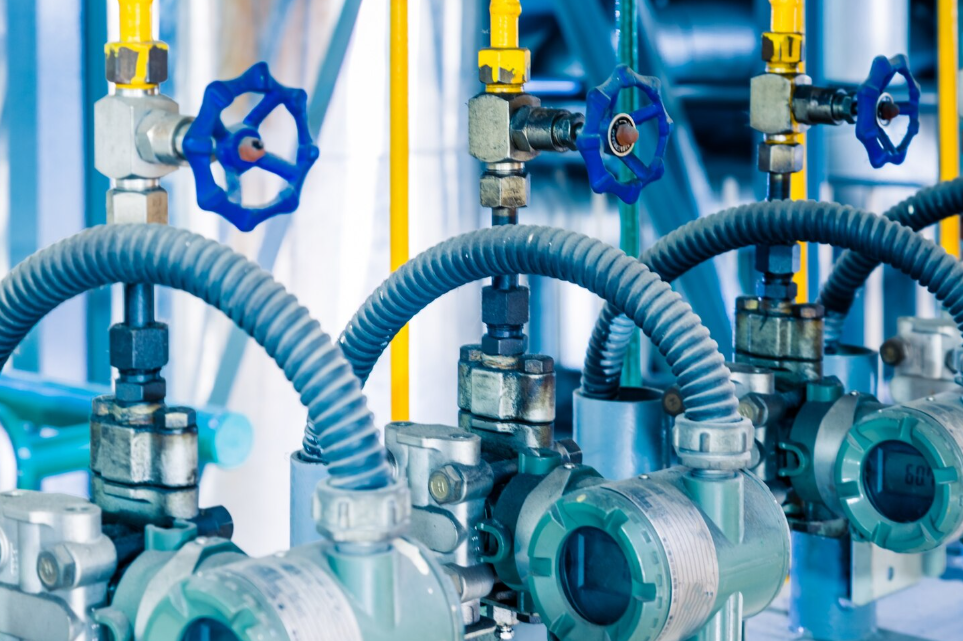
Traditionally, valves were manually operated or controlled via simple actuators. Today, thanks to advancements in automation technology, valves can be equipped with sensors, actuators, and digital controllers that integrate directly into plant-wide control systems.
Key benefits of smart valve automation include:
-
Remote Operation – Control valves from a central control room or mobile device.
-
Real-Time Monitoring – Track pressure, temperature, and flow rates instantly.
-
Predictive Maintenance – Detect wear or performance issues before failures occur.
Core Technologies Driving Smart Valves
-
Intelligent Actuators
Electric or pneumatic actuators that can receive commands, execute precise positioning, and provide feedback data to operators. -
Integrated Sensors
Built-in sensors measure critical parameters such as flow rate, valve position, and torque, sending this data to supervisory systems. -
Digital Communication Protocols
Modern valves support protocols like HART, Modbus, and Profibus, allowing seamless integration into distributed control systems (DCS) and programmable logic controllers (PLC). -
Cloud-Based Analytics
Data from valves can be uploaded to cloud platforms, enabling advanced analytics, AI-driven insights, and remote troubleshooting.
Applications of Smart Valves
-
Oil & Gas – Real-time monitoring for safety-critical pipelines.
-
Water Treatment – Automated chemical dosing and leak detection.
-
Pharmaceuticals – Precision flow control for strict quality compliance.
-
Power Generation – Optimized steam and cooling systems to improve efficiency.
The Role of Digital Twins in Valve Management
A digital twin is a virtual representation of a physical valve that receives live data from the field. This allows engineers to:
-
Simulate valve performance under different conditions
-
Predict failures before they occur
-
Reduce downtime through targeted maintenance
Challenges and Considerations
While smart valves offer clear advantages, there are factors to consider:
-
Initial Cost – Smart systems require higher upfront investment.
-
Cybersecurity – Networked valves must be protected from unauthorized access.
-
Training Requirements – Operators and maintenance teams need skills to work with digital control systems.
Conclusion
The future of industrial valves lies in smart automation and digital control, enabling industries to achieve higher efficiency, better safety, and lower operational costs. As IIoT and AI technologies evolve, smart valves will play a central role in building truly connected and intelligent industrial systems.