The Importance of Corrosion-Resistant Valves
In industrial fluid control systems, corrosion is one of the most common and costly problems. It can lead to leaks, equipment failure, production downtime, and even safety hazards. This is why corrosion-resistant valves are essential for industries that handle aggressive chemicals, saltwater, or other corrosive media.
By choosing the right corrosion-resistant valve, businesses can ensure long-term reliability, safety, and cost savings in demanding environments.
What Are Corrosion-Resistant Valves?
Corrosion-resistant valves are specifically designed and manufactured to withstand chemical attack, oxidation, and other forms of degradation. They achieve this by using special materials such as:
-
Stainless Steel (SS304, SS316, Duplex, Super Duplex)
-
High-Performance Alloys (Hastelloy, Monel, Inconel)
-
Fluoropolymer Linings (PTFE, PFA, FEP)
-
Non-Metallic Materials (PVDF, CPVC, FRP)
Material Corrosion Resistance Typical Applications Advantages Limitations SS304 Stainless Steel Good for mild corrosive environments Water treatment, HVAC, food industry Affordable, widely available Not ideal for strong acids/chlorides SS316 Stainless Steel Very good, better than SS304 Chemical processing, marine use Higher molybdenum content improves chloride resistance More expensive than SS304 Duplex / Super Duplex Excellent, high pitting resistance Offshore oil & gas, desalination High strength, superior seawater resistance Requires precise welding control Hastelloy Outstanding chemical resistance Strong acid handling, chemical reactors Exceptional durability in aggressive chemicals Very high cost Monel Excellent seawater & acid resistance Marine, chemical plants Strong in acidic & alkaline environments Expensive, heavy PTFE Lining Virtually inert to most chemicals Acid/alkali transfer, high purity processes Non-stick, wide temp range Limited pressure rating PFA Lining Excellent chemical resistance, high temp Harsh chemical processes, semiconductor Smoother surface, higher purity than PTFE Higher cost than PTFE PVDF High resistance to acids & solvents Chemical dosing, wastewater Lightweight, good strength Limited high-temp capability FRP (Fiberglass Reinforced Plastic) Good for many corrosive chemicals Wastewater treatment, chemical storage Corrosion-proof, lightweight Not for very high pressures/temps
Why Corrosion Resistance Matters
-
Extended Service Life – Prevents premature failure, reducing replacement costs.
-
Improved Safety – Reduces the risk of leaks that can cause accidents or environmental damage.
-
Lower Maintenance Costs – Requires fewer shutdowns for repairs.
-
Reliable Performance – Maintains sealing integrity even in aggressive media.
-
Regulatory Compliance – Meets safety and environmental regulations for hazardous media handling.
Industries That Require Corrosion-Resistant Valves
-
Chemical Processing – Handles acids, alkalis, and solvents safely.
-
Marine & Offshore – Resists saltwater corrosion in harsh sea environments.
-
Oil & Gas – Protects equipment from sour gas, produced water, and corrosive hydrocarbons.
-
Water & Wastewater Treatment – Withstands chemical dosing and wastewater contaminants.
-
Pharmaceuticals & Food Processing – Maintains purity and resists cleaning chemicals.
Types of Corrosion-Resistant Valves
-
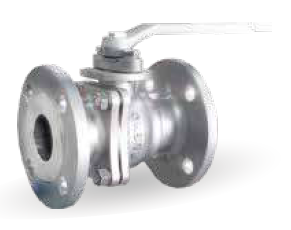
Stainless Steel Ball Valves – Durable, versatile, and easy to operate.
-
Lined Butterfly Valves – Ideal for corrosive chemicals at larger diameters.
-
Alloy Gate Valves – High strength for high-pressure, corrosive service.
-
Plastic and Composite Valves – Lightweight and fully corrosion-proof for specific applications.
Selection Tips
When selecting a corrosion-resistant valve:
-
Match material compatibility with the process media.
-
Check pressure and temperature ratings.
-
Consider end connections and flow control needs.
-
Decide on manual or automated operation based on system requirements.
Conclusion
The importance of corrosion-resistant valves cannot be overstated for industries dealing with aggressive or hazardous fluids. By investing in the right valve materials and designs, companies can protect their equipment, enhance safety, and reduce long-term operational costs.